Written by Dave Bonehill
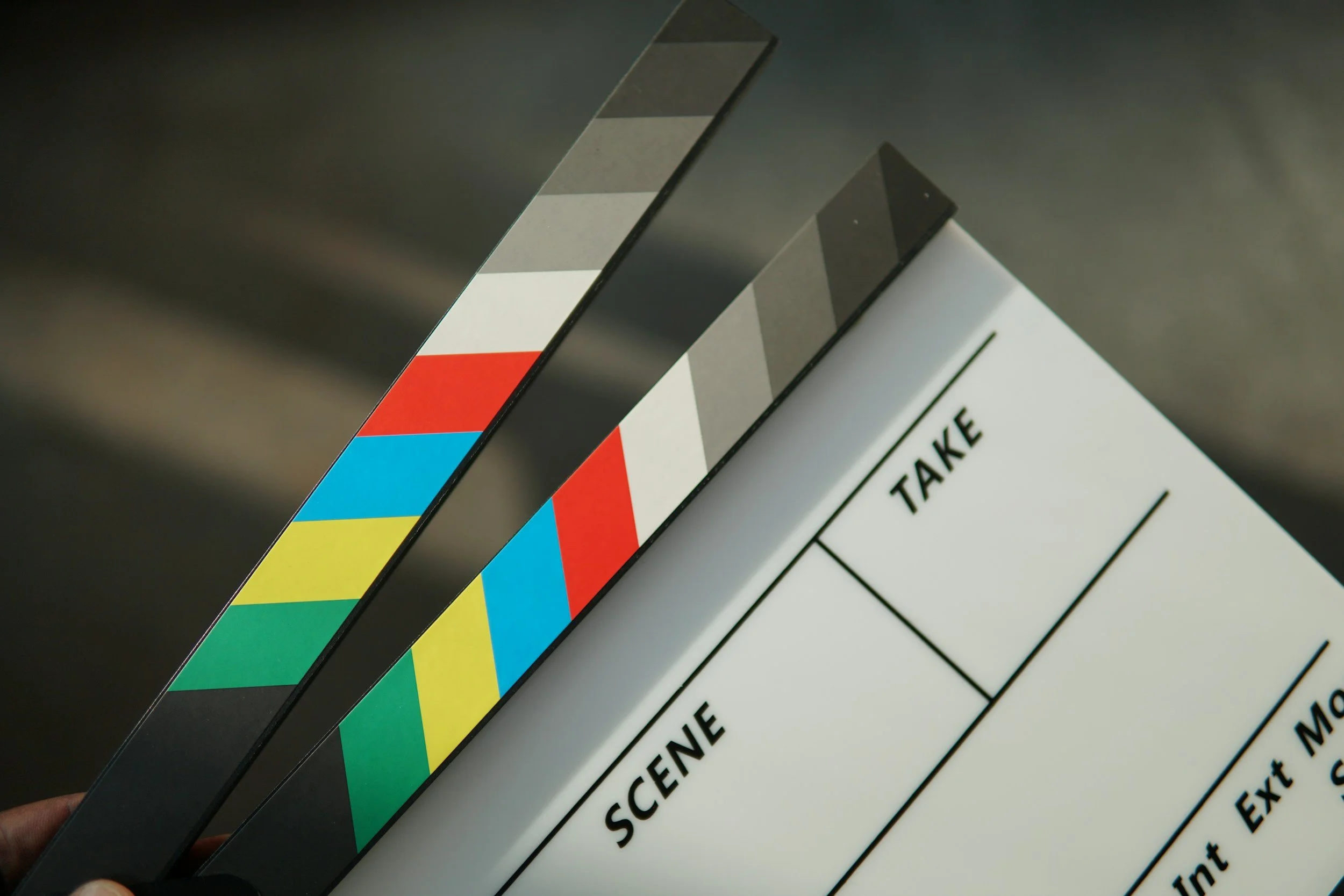
I started in photography, fell in love with filmmaking and, somewhat ironically, I am now trying to find my way back into photography again.
For me, video did not arrive because cameras suddenly acquired a big red record button. It began much earlier. As a family, we have been fortunate enough to visit some wonderful places, both in the UK and around the world. While our two children were growing up, we took plenty of photographs and video, but I increasingly wanted to do more than preserve a record of where we had been.
I wanted to move beyond the traditional holiday slideshow: “Here we are in front of the Eiffel Tower.” Next slide. “And here is the Eiffel Tower without us standing in front of it.” I wanted to make something people might actually want to watch.
Before YouTube, There Were DVDs
Once the editing was finished, I burned the films onto DVDs and created proper menus so viewers could choose what to watch. Yes, DVDs. Ask your parents. Later, YouTube made sharing much easier, but by then I had caught the bug. I enjoyed combining pictures, movement, music and sound into something that felt like a film rather than simply a record of events.
Then I Discovered Philip Bloom
The moment I began taking filmmaking seriously was when I discovered the work of Philip Bloom. I should probably admit that I have something of a Philip Bloom man crush.
His work made me look again at what I had produced and realise how much more was possible. It was not merely about the camera. It was the story, colour, camera movement, pace and sound. Suddenly I did not only want to record the places we visited. I wanted to make films about them. My ambition became straightforward: I wanted to be Philip Bloom. I am still working on that.
Three Films That Changed Things for Me
Three Philip Bloom films have stayed with me because each demonstrates a different part of filmmaking that I wanted to understand.
Koh Yao Noi
This is perhaps the film that best explains why Philip became such an inspiration. Camera movement, music, pacing and colour transform footage of a location into something immersive. The 10th anniversary remaster is also a useful reminder that equipment is only part of the equation: the original aerial footage was made with early DJI Phantom 2 drones and GoPro Hero 3+ cameras, modest tools compared with current equipment.
Now I See Part 2
This film brings together colour, movement, changing light, slow motion and sound design. It used several frame rates, not because higher numbers are automatically better, but because frame rate is a creative tool. Watch with headphones and notice how the natural sound, music and imagery begin working as one.
Iceland by Drone
This beautiful aerial montage taught me that an edit does not always need to rush. The images are allowed to breathe. The drones did not record usable location sound, so the environmental audio was created afterwards as Foley. Listen as much as you look: the sound helps the viewer experience the landscape rather than merely observe silent aerial footage accompanied by music.
From Camcorder to Mirrorless
My first proper mirrorless video camera was the Sony A6300. That was when things became especially interesting. Photographers are already carrying remarkably capable filmmaking tools: interchangeable lenses, large sensors, depth-of-field control, strong autofocus, 4K recording and sophisticated colour options.
However, owning a camera capable of beautiful video does not automatically make the video interesting. Filmmaking is not simply photography at 25 frames per second. Exposure, composition, lenses, light and colour remain familiar, but video adds time, movement, sequences, sound and editing. Above all, it adds story.
Story First
Almost every filmmaker I follow repeats the same advice: story first, plan the shoot. It sounds obvious.
It is not.
I can visit somewhere beautiful and return with dozens of attractive clips, but attractive clips do not automatically make a compelling film.
What is the film about? Where does it begin? Where does it go? Why should somebody continue watching? Those questions are more important than which camera I use. They are also difficult when I am simultaneously the director, camera operator, sound recordist, editor and my own harshest critic.
Part of the attraction is self-improvement. Another part is the hope that somebody will watch and say, “Wow, I would love to go there.” My background as a lithographic printer probably contributes too. Colour, image quality and electronic image manipulation have always fascinated me.
I Love the Edit
Editing is probably where filmmaking truly hooked me. Take the same material and change the edit, colour grade or music, and the resulting film can feel completely different. Fast cutting and energetic music create excitement. Longer shots and quieter music can make the same location contemplative. Colour can make a scene welcoming or bleak. Natural sound can place the viewer beside the camera.
Creating a vibe, mood and feeling through the way a film is assembled is the part I love most. It may also explain why filmmaking is pulling me back towards still photography. I am thinking more carefully about individual frames again, but also about how one image connects with the next.
A photograph asks, “What is the decisive moment?”
Filmmaking asks, “What happens before, during and after that moment?”
How Do I Actually Start Recording?
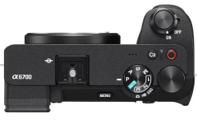
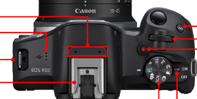
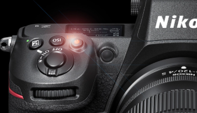
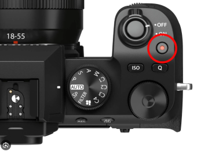
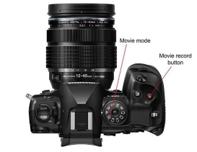
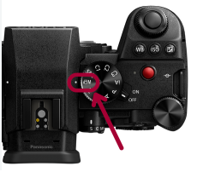
Every camera manufacturer approaches movie mode slightly differently. The practical job is to find the movie-mode control, locate the record button and confirm that the red recording indicator is showing before the action begins. The exact route varies between Sony, Canon, Nikon, Fujifilm, Panasonic Lumix and Olympus/OM System, and sometimes between models from the same manufacturer.
Understanding Frame Rates
Video is a sequence of still images displayed rapidly enough that we perceive continuous movement. The number recorded each second is the frame rate. For most everyday filming in the UK, 25 frames per second is a sensible default.
25fps: normal UK video, travel films, interviews and club projects.
50fps: smoother action and the option of half-speed playback on a 25fps timeline.
100fps: stronger slow motion, playing at quarter speed on a 25fps timeline.
Higher frame rates are not automatically better. They usually require more light, larger files and more processing. Choose the rate because of how you want movement to look. Philip Bloom’s Now I See Part 2 is an excellent example of frame rates being used creatively rather than as a quality setting.
The Exposure Triangle Gets a New Rule
Photographers already understand aperture, shutter speed and ISO. In still photography, all three can be adjusted to balance exposure or create a particular look. Video adds a constraint. For natural-looking movement, a useful starting principle is to use a shutter speed approximately double the frame rate:
25fps → approximately 1/50 sec
50fps → approximately 1/100 sec
100fps → approximately 1/200 sec
This is usually called the 180-degree shutter rule. It is a creative convention rather than a law, but it produces motion blur that audiences generally perceive as natural. The obvious question then becomes: if shutter speed is effectively predetermined, how do I control the exposure?
Photography and video exposure controls. The final Squarespace version can use the separate light-theme assets,
Aperture: simple, but changing it also changes depth of field.
ISO: useful, especially in low light, but higher values can introduce noise.
ND or variable ND: reduces light while retaining shutter speed and aperture.
Add or remove light: often the cleanest solution when the scene is under control.
Why ND Filters Suddenly Matter
Imagine filming outdoors on a bright day at 25fps, 1/50 sec and f/2.8. The shallow depth of field looks attractive, but the image is badly overexposed. A photographer’s instinct might be to increase shutter speed to 1/1000 or 1/2000. That fixes exposure but fundamentally changes the rendering of movement.
A fixed ND filter provides a known amount of light reduction and is normally simple and optically consistent. A variable ND is more convenient in changing conditions because rotating it increases or decreases light reduction without changing shutter speed, aperture or ISO.
There can be compromises: colour shift, vignetting, uneven polarisation and the dark X-pattern that sometimes appears near the extreme end of a VND’s range. One economical approach is to buy a good filter for the largest lens thread regularly used, then adapt it to smaller lenses with step-up rings.
Protect the shutter speed. Choose the aperture you want. Then control the light.
Colour: Consistency Before Complexity
Photography experience gives us a useful starting point, but video makes consistency between shots especially important. Automatic white balance can change during a shot or between two clips of the same scene. Those changes become obvious when the clips sit next to each other in an edit, so manual white balance can make life much easier.
Modern cameras also promote Log recording: S-Log, C-Log, V-Log, F-Log and other variants. Log can preserve information for colour correction and grading, but it is not a cinematic-mode button. Straight from the camera, Log footage normally looks flat and washed out because it is intended to be processed, in fact it has to be processed which adds more work to your editing process. Only go down this route if you are a real colour/film/look nerd…..like me.
For a first film, there is nothing wrong with using a standard or neutral profile and concentrating on exposure, composition, sound and story. Learn Log when there is a reason to use it, not because somebody on YouTube said professionals shoot Log.
Composition Has to Survive Movement
Everything photographers already know about composition still matters: thirds, lines, negative space, frames within frames, foreground interest, layers and subject separation. The difference is that the subject, the camera or both may move.
Leave room for a subject to walk or look into. Use foreground, subject and background to create depth. Hold a static shot for a couple of seconds before and after the action. Most importantly, do not move the camera simply because it can move. A purposeful static shot is better than pointless motion.
Stop Shooting Clips. Start Shooting Sequences.
When people first try video, it is tempting to point the camera at the interesting thing, record it and move on. The problem appears in the edit: there is nothing to cut to. Instead, cover one action from several useful distances.
Wide shot: where are we?
Medium shot: what is happening?
Close-up: who is doing it?
Detail shot: what matters?
Reaction or result: what happened?
The individual shots do not have to be spectacular. Together they tell the story. Before pressing Record, ask what comes before, what comes after, whether another angle would help and whether the associated sound has been captured. Shoot for the edit and please try to leave the zoom alone. When I look back at my early films and I zoom all the way in, zoom all the way out. I end up feeling seasick just watching them back now.
Sound: The Bit Photographers Forget
Photographers naturally concentrate on the image, but sound can completely transform a film. I think of three layers: primary sound such as speech or the main action; natural sound such as footsteps, water, doors or camera controls; and music, which influences mood and pace.
At each location, record 20 to 30 seconds of room tone with nobody speaking. This can be invaluable when smoothing edits. If the camera has a headphone socket, use it. Meters confirm that sound exists; headphones reveal whether it is actually usable.
Philip Bloom’s Iceland film is a useful lesson. The aerial footage did not contain meaningful location sound, but Foley created in post helps convince the brain that it is experiencing the landscape. Sound is not decoration. It is part of the story.
Editing: Where the Film Comes Alive
Editing is where isolated decisions become a film. A simple workflow is: Import → Review → Select → Assemble → Trim → Sound → Colour → Music → Export. The first task is not adding impressive transitions. It is finding the story and deciding which clips contribute something.
Photography involves deciding what to exclude from the frame. Editing involves deciding what to exclude from time.
Which Software?
| Software | Cost model | Compatibility | Best fit |
|---|---|---|---|
| Microsoft Clipchamp | Free / premium options | PC and Mac/browser | Easiest starting point |
| Final Cut Pro | One-off purchase | Mac | Fast, polished Mac workflow |
| Adobe Premiere Pro | Subscription | PC and Mac | Broad professional ecosystem |
| DaVinci Resolve | Powerful free version | PC and Mac | Best value and room to grow |
The best editing software is the one that gets the first film finished.
A Dependable Starting Setup
Camera menus can make video feel more complicated than it needs to be, particularly when every manufacturer uses different terminology. A reliable first setup is deliberately ordinary: 25fps, a shutter speed of 1/50 sec, manual white balance, controlled exposure and a normal picture profile. Use 4K if the computer and storage can handle it, but 1080p remains perfectly capable for learning, sharing online and making club films.
Autofocus does not have to be avoided simply because older filmmaking advice favoured manual focus. Modern face and eye detection can be excellent, especially when filming people without a separate camera operator. The important thing is to test the behaviour before an important shot. Check whether the camera changes focus smoothly, whether it jumps to the background and whether the focus-transition speed can be adjusted.
A short test recording is one of the most valuable habits. Record ten seconds, play it back and check focus, exposure, colour and sound. Confirm the recording format and frame rate. Check that the microphone is not rubbing against clothing and that wind is not overwhelming the useful audio. Ten seconds spent testing can save an entire sequence.
Battery and storage planning also matter more in video than in stills. Recording, screen use, stabilisation and autofocus consume power quickly, while high-resolution and high-frame-rate footage fills cards surprisingly fast. Carry a spare battery, format cards only after footage has been backed up and avoid relying on one copy of an important film.
Plan Enough, but Still Leave Room to Notice Things
Planning does not have to mean drawing a complex storyboard. For a small travel or club film, a simple written shot list is enough. Start with the story in one sentence. Then identify the opening, the change or journey in the middle and the final image. Add the wide, medium, close-up and detail shots needed to join those moments together.
It also helps to think about transitions before filming. A person can leave one frame and enter the next. A camera movement can continue in the same direction across two locations. A close-up can hide a change of time or place. Sound can begin before the image changes, leading the viewer naturally into the next scene. These small connections make an edit feel intentional without requiring flashy effects.
At the same time, do not become so attached to the plan that the unexpected is ignored. Weather changes, light appears briefly, people move through the scene and interesting sounds occur. The plan provides coverage; awareness provides the moments that make the film feel alive.
When filming alone, I find it useful to separate the practical jobs mentally. First decide what the shot contributes to the story. Then choose the composition and camera position. Only then check exposure, focus and sound. Trying to make every decision simultaneously is a good way to miss something obvious.
Building the First Edit
The first edit should be rough. Put the clips in an order that communicates the story before spending time on colour, transitions or music. If the sequence does not work without decoration, another transition rarely fixes it. Trim weak starts and endings, remove repeated information and be prepared to lose attractive shots that do not contribute.
Once the structure works, add natural sound and dialogue. Listen for abrupt changes between clips and use room tone to bridge them. Music comes later. Choose it for the feeling and pace of the film, then edit with the rhythm rather than automatically cutting on every beat. Sometimes allowing a shot to continue across a musical beat creates a more natural result.
Colour correction comes before creative grading. First make adjacent clips agree in exposure, white balance and contrast. Then decide whether the finished film needs a particular look. A subtle, consistent grade usually ages better than an extreme effect copied from the latest tutorial.
Finally, watch the film away from the editing timeline. View it full-screen, listen through speakers as well as headphones and, if possible, leave it overnight. Errors that become invisible after hours of editing are often immediately obvious the next morning. Show your film to family or friends, ask them for a candid opinion and then take the advice, but still keep it true to what you want. We are creating a personal film, not a blockbuster that needs to sell tickets.
Misty Windermere
The film I showed at the club was Misty Windermere. I had just visited the Lake District and the weather was lousy, but I wanted to make something for the presentation and demonstrate that a film can be made in almost any condition.
Mist, rain, flat light and grey skies do not necessarily mean putting the camera away. They may simply mean making a different film from the one originally imagined. Imperfect conditions can become the story. The edit formed the start to my full Lake District video.
What I Have Learned So Far
Story matters more than equipment.
Plan the shoot, even if the plan is only a short list.
Shoot more than the obvious view: wide, medium, close and detail.
Let shots breathe; not every edit needs to be rapid.
Camera movement needs a purpose.
Sound matters enormously.
Editing exposes the shot that was forgotten.
Music and colour can completely change the mood.
Filmmaking can be challenging because one person may be director, camera operator, sound recordist, editor and critic. That is also what makes completing a film so satisfying and fun.
The People Who Continue to Inspire Me
Philip Bloom remains my biggest influence for story, colour and camera movement. Brandon Li makes me think differently about how movement can reveal information and carry viewers through a sequence. Peter McKinnon brings infectious excitement to the creative process. Daniel Schiffer is worth exploring for polished product films, B-roll, transitions, sound design and sequence construction.



And Now I Am Trying to Become a Photographer Again
Photography led me into filmmaking, and filmmaking consumed a great deal of creative attention. Now I am trying to return to photography, but not with quite the same eyes. Film has made me think differently about light, colour, movement and storytelling. It has made me more aware of what happens immediately before and after a photograph and how images work together.
Perhaps photography made me a better filmmaker. Perhaps filmmaking will eventually make me a better photographer. We will see.
Fancy Having a Go?
If the slightly intimidating red button is still being ignored, try a small challenge rather than a ten-minute masterpiece. Make a film lasting no more than 60 seconds.
One subject
One location
One simple action
8–12 shots
Wide, medium, close and detail views
Natural sound
Optional music
Set the camera to 25fps and begin with shutter speed of 1/50 sec. Do not worry about Log, cinematic LUT packs or whether the camera is good enough. Concentrate on making something with a beginning, middle and end. Edit it, finish it, notice what went wrong and make another one.
Press the red button and make something.
Thanks Dave for your valuable insights into creating videos with our cameras.
